


Zhejiang Runhui New Materials Co., Ltd.
Zhejiang Runhui New Materials Co., Ltd., operating under the brand Runhui, has firmly established itself as a vanguard in the realm of advanced insulation and functional materials. Based in Zhejiang Province, China, the company harnesses its partnerships with key scientific research institutions to drive continuous innovation in special fiber paper and aerogel insulation technologies. Its product portfolio encompasses aerogel blankets, panels, powders, and coatings, all meticulously engineered to meet the exacting demands of diverse industries.
Runhui's aerogel coating is a specialized product designed to thrive in extreme environments. At its core are aerogels, renowned for their ultra-low thermal conductivity and high porosity. These aerogels are augmented with additives, enabling the coating to deliver multifunctional performance beyond basic insulation. It offers robust anti-corrosion properties, making it suitable for a variety of applications. The company's state-of-the-art production facilities, in conjunction with a dedicated research team and a key laboratory for fiber-based materials, ensure that its aerogel coatings undergo rigorous testing to meet the highest industrial standards for durability and reliability.
The company is deeply committed to sustainability. Runhui formulates its aerogel coatings to minimize environmental impact, utilizing eco-friendly binders and reducing reliance on hazardous chemicals commonly found in traditional coatings. This approach aligns with green manufacturing practices, positioning the product as an attractive choice for environmentally conscious projects in various industries.
Aerogel Coatings
Runhui's aerogel coatings are composite materials that blend silica aerogel particles with polymer binders, corrosion inhibitors, and reinforcing agents. This unique combination combines the high surface area and nanoporous structure of the polymer with the flexibility and adhesive properties of the polymer. The result is a coating that adheres firmly to building concrete, brick, and metal, creating a highly effective protective and insulating barrier.
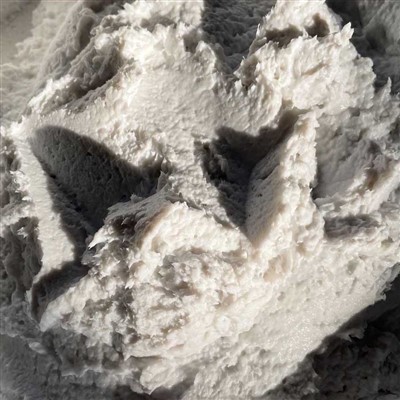

Ultra-low Thermal Conductivity
One of the most significant properties of Runhui's aerogel coating is its ultra-low thermal conductivity. Aerogels have an extremely low density, with up to 99% air content in their nanoporous structure. This makes them exceptional thermal insulators. When applied to building facades, the coating effectively blocks the transfer of heat, whether it is heat from the sun trying to enter the building in warm weather or heat trying to escape from the building during colder periods. This property is crucial for maintaining a stable indoor temperature, reducing the need for excessive heating or cooling.
High Porosity and Moisture Management
The high porosity of aerogels in the coating allows for effective moisture management. In humid environments, the coating can absorb and store moisture. When the surrounding humidity drops, it can release this moisture. This helps to prevent the growth of mold and mildew on building facades, which damages the structure and affects indoor air quality. By reducing moisture penetration into the building envelope, the coating helps to protect the integrity of the building materials.
Chemical Resistance and Durability
The coating is formulated to be highly resistant to a variety of chemicals. It can withstand exposure to pollutants, acids, and alkalis commonly found in urban environments or industrial areas. This chemical resistance ensures that the coating remains effective over time, maintaining its insulating properties and protecting the building facade from chemical damage. Its durability means that it requires less frequent replacement compared to traditional coatings, reducing maintenance costs and waste generation.
Compatibility with Architectural Design
Unlike bulky insulation materials that can restrict design flexibility, Runhui's aerogel coating is compatible with a wide range of architectural styles and materials. It can be applied to curved surfaces, intricate facades, and even heritage buildings without altering their aesthetic integrity. The coating is available in a variety of finishes, from matte to glossy, and can be tinted to match or complement building exteriors, ensuring that energy efficiency does not come at the expense of visual appeal. This versatility makes it a preferred choice for architects and designers seeking performance and aesthetic harmony.
Energy-saving Mechanisms of Aerogel Coating on Building Facades
Reducing Heat Transfer
Aerogel coatings act as a thermal barrier on building facades. In hot climates, they reflect a significant portion of the sun's radiant heat away from the building. The nanoporous structure of the aerogel creates a tortuous path for heat, making it difficult for heat to penetrate through the coating and reach the building's interior. This reduces the amount of heat that enters the building, keeping the indoor temperature cooler and reducing the load on air conditioning systems.
In cold climates, the coating prevents the heat generated inside the building from escaping. By minimizing heat loss, it helps to maintain a comfortable indoor temperature with less energy consumption for heating. This bidirectional heat resistance is a key factor in the energy-saving benefits of aerogel coatings on building facades.
Improving Insulation Efficiency
Compared to traditional insulation materials, aerogel coatings offer superior insulation efficiency. Their low thermal conductivity allows for a thinner layer of insulation to achieve the same level of heat resistance. This is particularly advantageous for building facades, as it reduces the overall thickness and weight of the insulation layer. A thinner insulation layer means that there is less space required for insulation installation, which can be beneficial in buildings with limited space or in retrofit projects.
The coating's ability to form a seamless and continuous insulation layer on the building facade further enhances its insulation efficiency. It fills in small gaps and cracks that might otherwise allow heat to escape, providing a more comprehensive insulation solution.
Synergy with Other Energy-saving Systems
Runhui's aerogel coating works in tandem with other building systems to amplify energy savings. When combined with high-performance windows, it reduces heat transfer through the building envelope, as the coating minimizes heat gain or loss around window frames and adjacent facade areas. It complements passive design strategies, by maintaining stable indoor temperatures, reducing the need to open windows excessively in extreme weather. The coating's thermal stability helps preserve the efficiency of solar panels installed on building facades, as it protects them from overheating and temperature-related degradation.
Energy Savings in Different Climates
Hot Climates
In regions with hot climates, buildings often rely heavily on air conditioning systems to maintain comfortable indoor temperatures. Runhui's aerogel coating can significantly reduce the energy consumption of these systems. By reflecting solar heat and preventing heat from entering the building, the coating helps to keep the indoor temperature lower. This means that air conditioners do not have to work as hard or run for as long, leading to substantial energy savings.
In a commercial building in a tropical city, the application of aerogel coating on the facade can lead to a notable reduction in the energy consumed by the air conditioning system. This cuts down on electricity bills and reduces the demand for power generation, which has positive environmental implications.
Cold Climates
In cold climates, heating systems are a major energy consumer in buildings. Aerogel coatings play a crucial role in reducing heat loss from buildings. They act as a barrier, preventing the warm air inside the building from escaping through the facade. This allows heating systems to operate more efficiently, as they do not have to constantly replace the lost heat.
In a residential building in a cold region, the use of aerogel coating on the facade can lead to lower heating costs. Homeowners can maintain a comfortable indoor temperature while using less fuel or electricity for heating, contributing to energy savings and cost savings.
Temperate Climates
In temperate regions, where seasons bring significant temperature variations, the coating's adaptability shines. It reduces heat gain during summer months and heat loss in winter, eliminating the need for extreme heating or cooling adjustments. This balance is particularly valuable for buildings in these regions, where energy use can fluctuate dramatically with seasonal changes. By stabilizing indoor temperatures year-round, the coating ensures consistent energy efficiency regardless of external weather conditions.
Benefits of Aerogel Coating on Building Facades
Environmental Sustainability
Aerogel coatings contribute to environmental sustainability in multiple ways. Their energy-saving properties reduce the overall energy consumption of buildings, which in turn decreases the carbon emissions associated with power generation. Since many power plants rely on fossil fuels, reducing energy demand helps to mitigate greenhouse gas emissions and combat climate change.
The coating's long lifespan reduces waste generation. As it requires less frequent replacement compared to traditional coatings, there is less material to dispose of. The use of eco-friendly binders and the reduction of hazardous chemicals in the coating formulation make it a more environmentally friendly choice throughout its lifecycle.
Cost Savings for Building Owners and Operators
The energy savings achieved through the use of aerogel coatings translate directly into cost savings for building owners and operators. Lower energy bills mean reduced operating costs, which is particularly beneficial for large commercial buildings or multifamily residential complexes.
The durability of the coating reduces maintenance and replacement costs. Since the coating can withstand harsh environmental conditions and resist chemical damage, it has a longer service life. This means that building owners do not have to invest in frequent coating replacements or repairs, saving time and money in the long run.
Enhanced Indoor Comfort
Beyond energy savings, the coating improves indoor comfort by stabilizing temperatures. It reduces cold drafts near windows and walls in winter and eliminates hot spots caused by direct sunlight in summer. This consistent indoor environment enhances the well-being of occupants, whether in homes, offices, or healthcare facilities. In hospitals, stable temperatures are critical for patient recovery, and the coating's ability to maintain such conditions reduces reliance on noisy HVAC systems, creating a quieter, more healing environment.
Regulatory Compliance
As governments worldwide implement stricter energy efficiency standards for buildings, Runhui's aerogel coating helps owners and developers meet these requirements. It supports compliance with LEED, BREEAM, and China's Green Building Label, which reward sustainable design and operation. By incorporating the coating, projects can earn points toward certification, enhancing their market value and demonstrating a commitment to environmental responsibility.
Applications and Case Studies
Residential Buildings
In a recent residential project in a suburban area, Runhui's aerogel coating was applied to the facades of a new housing development. Homeowners noticed a significant difference in the indoor temperature during summer and winter. In the summer, the air conditioning systems did not have to run as frequently, and in the winter, the heating bills were lower. The coating enhanced the aesthetic appeal of the buildings, as it could be customized with different colors and finishes. The development qualified for local energy efficiency rebates, reducing the overall cost of construction for the builder.
Commercial Buildings
A large office building in a city center underwent a renovation project that included the application of aerogel coating on its facade. The building management reported a substantial reduction in energy consumption for heating and cooling. The improved insulation enhanced the comfort of the building occupants, leading to increased productivity. The coating's ability to resist dirt and pollutants helped to keep the building's exterior looking clean, reducing the need for frequent exterior cleaning. The building's LEED certification score improved, boosting its reputation as a sustainable workspace and attracting environmentally conscious tenants.
Heritage Buildings
A historic museum in a European city, faced with strict preservation regulations, used Runhui's aerogel coating to improve energy efficiency without altering its historic facade. The thin, unobtrusive coating was applied to the building's stone exterior, reducing heat loss while preserving the structure's architectural integrity. The museum saw a 30% reduction in heating costs and maintained stable indoor temperatures, which is critical for protecting delicate artifacts from temperature fluctuations.