

Zhejiang Runhui New Materials Co., Ltd.
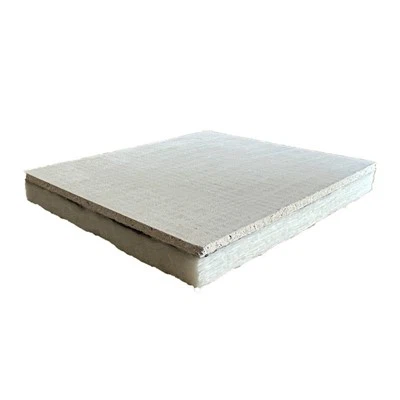
Zhejiang Runhui New Materials Co., Ltd., based in Zhejiang Province, China, is a pioneering manufacturer specializing in advanced thermal insulation solutions, with a focus on aerogel-based building materials. Established with a commitment to sustainable construction, the company has emerged as a key player in the global transition toward energy-efficient and low-carbon architecture. Runhui's core product, the Aerogel Panel, leverages nanotechnology to deliver superior thermal performance, durability, and design flexibility, addressing critical challenges in modern construction-from lengthy timelines to energy waste and safety concerns.
The company's state-of-the-art production facilities integrate cutting-edge research and development, with dedicated labs focused on optimizing aerogel's structural and thermal properties. This ensures its aerogel panels meet international standards for fire safety (EU's EN 13501), environmental sustainability (ISO 14001), and structural integrity, making them suitable for diverse applications: from high-rise commercial towers to historic building retrofits, and industrial facilities. Runhui's solutions are widely adopted across residential, commercial, and industrial sectors, where they enhance energy efficiency, streamline construction workflows, and contribute to long-term cost savings-all while aligning with global carbon reduction goals.
The science behind aerogel panels
Aerogel panels are engineered using silica aerogel, a lightweight material often called "frozen smoke" for its porous, sponge. Silica aerogel is created by removing the liquid from a gel, leaving a network of nanoscale pores (typically 2–50 nanometers) that trap air. This structure minimizes heat transfer through conduction, convection, and radiation, giving aerogel panels exceptional thermal resistance. To enhance practicality for construction, Runhui combines this aerogel with reinforcing materials, creating rigid and lightweight panels that retain aerogel's insulating power while adding durability and ease of handling.
Key properties of Runhui's Aerogel Panel:
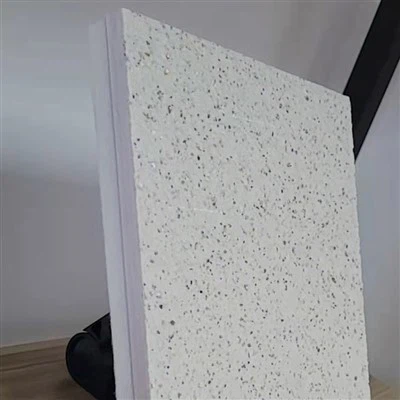
Ultra-low thermal conductivity: Far lower than traditional insulation, limiting heat flow between indoor and outdoor environments.
Lightweight composition: Significantly lighter than mineral wool or foam boards, easing transportation and installation.
Mechanical stability: Rigid enough to withstand handling and structural loads without crumbling, unlike loose aerogel particles.
Hydrophobicity: Treated to repel liquid water, preventing moisture absorption that would degrade insulation performance.
Fire resistance: Composed primarily of silica, a non-combustible material, earning them the highest fire safety ratings.
These properties collectively make aerogel panels a transformative material for construction, where efficiency, safety, and adaptability are paramount.
Enhancing construction efficiency through material innovation
Aerogel panels improve building construction efficiency across multiple dimensions, from planning and material handling to installation and long-term performance.
Streamlining material logistics and handling
The lightweight nature of aerogel panels reduces the complexity of on-site material management. Compared to mineral wool or foam boards, aerogel panels are easier to transport-requiring fewer trucks for delivery, which lowers fuel consumption and associated emissions. On-site, their rigidity eliminates the need for protective packaging that often becomes waste, while their standardized sizes simplify storage, reducing clutter and improving workflow organization.
For commercial complexes or residential developments, this translates to faster material turnover: crews spend less time moving and organizing insulation, and more time on installation. Runhui's panels, designed to stack neatly and resist damage during transit, further minimize material loss.
Accelerating installation timelines
Aerogel panels simplify and speed up on-site installation through several design features:
Ease of cutting and fitting: Unlike rigid foam boards that may crack or crumble, or loose-fill insulation that requires careful blowing, aerogel panels can be cut to precise dimensions using standard tools (utility knives, saws). This allows crews to adapt quickly to irregular spaces-around windows, pipes, or structural beams-reducing installation time and material waste.
Reduced dependency on specialized labor: Traditional insulation often requires trained technicians to ensure proper application (spray foam, which demands skill to avoid gaps). Aerogel panels, by contrast, can be installed by general construction crews with minimal training, as their rigid structure ensures consistent coverage without specialized equipment.
Compatibility with modular construction: Pre-fabricated building components-walls, roofs, or floor cassettes-can be pre-insulated with aerogel panels during manufacturing. This off-site work eliminates weather-dependent delays, as insulation is applied in controlled factory conditions. When transported to the site, these pre-insulated modules are assembled quickly, cutting overall project timelines by weeks or months.
Optimizing building envelope design
The building envelope-walls, roofs, floors- is critical to energy efficiency, and aerogel panels enable more efficient envelope designs:
Thinner insulation layers: To achieve the same thermal performance as traditional materials, aerogel panels require significantly less thickness. A 20mm aerogel panel can match the insulation value of a 100mm fiberglass batt. This allows for slimmer walls and roofs, which frees up interior space- a valuable advantage in urban settings where square footage is costly. In historic renovations, this thin profile preserves architectural details (ornate moldings, original wall thicknesses) that would be lost with bulkier insulation.
Integration with diverse construction systems: Aerogel panels adhere well to common building materials-concrete, wood, metal, and masonry-without requiring specialized adhesives. This versatility allows them to be used in stick-frame homes, steel-framed offices, or concrete industrial facilities, standardizing insulation practices across project types.
Support for passive design: By minimizing heat transfer, aerogel panels enable passive heating and cooling strategies. In cold climates, they reduce the need for extensive heating systems; in hot climates, they block solar heat gain, lowering reliance on air conditioning. This reduces the complexity of mechanical systems, simplifying installation and lowering long-term energy costs.
Enhancing durability and reducing maintenance
Construction efficiency is not limited to the build phase; long-term performance matters too. Aerogel panels contribute to efficiency by reducing the need for repairs or replacements:
Resistance to degradation: Unlike organic insulation materials (cellulose, polyurethane foam) that can break down over time. They maintain their insulating properties for decades, eliminating the need for periodic insulation upgrades- a common and costly maintenance task in older buildings.
Mold and mildew prevention: Their hydrophobic surface and vapor permeability prevent moisture buildup within walls, a primary cause of mold growth. This reduces the need for expensive mold remediation and extends the lifespan of structural materials (wood framing, drywall) that would otherwise deteriorate.
Fire safety as a maintenance saver: In regions with strict fire codes, buildings insulated with combustible materials often require regular inspections and upgrades. Aerogel panels, with their non-combustible rating, reduce these inspection burdens and associated costs, contributing to long-term operational efficiency.
Adapting to diverse construction contexts
Aerogel panels' versatility allows them to improve efficiency across a range of building types and environments, from urban high-rises to remote industrial sites.
Urban commercial projects: In dense cities, where construction timelines are tight and space is limited, aerogel panels' thin profile and fast installation reduce disruption to surrounding areas. Their fire resistance is particularly valuable in high-rises, where safety regulations demand robust fire barriers between floors.
Historic building retrofits: Preserving historic structures while upgrading their energy efficiency is challenging, as thick insulation can alter architectural features. Aerogel panels' thin design allows installation within existing wall cavities or as exterior cladding, improving thermal performance without compromising historical integrity- a key factor in projects funded by heritage preservation grants.
Industrial facilities: Factories, warehouses, and power plants require insulation that withstands extreme temperatures and mechanical stress. Runhui's aerogel panels, resistant to heat and physical impact, insulate pipes, tanks, and walls efficiently, reducing energy loss from industrial processes while enduring harsh operational conditions.
Cold-climate construction: In regions with severe winters, traditional insulation requires thick layers that add bulk to walls. Aerogel panels achieve better insulation with less thickness, allowing for more efficient use of space and reducing the structural load on buildings.
Hot and humid regions: In tropical or coastal areas, moisture resistance is critical. Aerogel panels' hydrophobic properties prevent water absorption, ensuring insulation performance remains consistent even in high humidity- unlike foam boards, which can degrade when exposed to moisture.
Supporting sustainable construction goals
Beyond efficiency, aerogel panels align with global efforts to reduce the construction industry's environmental impact:
Lower operational carbon emissions: By minimizing heat transfer, they reduce the energy required for heating and cooling, lowering a building's carbon footprint over its lifecycle. This is particularly impactful in regions where electricity or heating relies on fossil fuels.
Reduced embodied carbon: While aerogel production requires energy, Runhui's manufacturing process prioritizes renewable energy use and waste reduction, lowering the material's embodied carbon (emissions from production). Their longevity means fewer replacements, reducing the carbon impact of repeated material extraction and manufacturing.
Alignment with green building certifications: Aerogel panels contribute to points in certification systems, which reward energy efficiency, material sustainability, and indoor environmental quality. This makes them attractive to developers seeking to market buildings as eco-friendly.
Future innovations and industry impact
Zhejiang Runhui New Materials Co., Ltd. continues to refine its aerogel panels, focusing on reducing production costs, enhancing mechanical strength, and expanding applications. Ongoing research explores combining aerogel with other materials to further improve thermal regulation, and developing thinner panels for even greater design flexibility.
As global policies push for carbon neutrality in construction, aerogel panels are poised to play a larger role. Their ability to improve energy efficiency, streamline construction, and adapt to diverse contexts makes them a versatile solution for meeting stringent environmental standards without sacrificing performance or aesthetics.
In essence, aerogel panels represent more than an insulation material- they are a catalyst for reimagining construction as a process that is efficient, sustainable, and adaptable to the needs of modern and historic buildings. Zhejiang Runhui New Materials Co., Ltd.'s commitment to advancing this technology ensures that aerogel panels will remain at the forefront of the industry's transition toward a more efficient and sustainable future.