

Content
1.Zhejiang Runhui New Materials Co., Ltd
2. GAMM GmbH & Co. KG, Germany
8. TPI Corporation, Taiwan, China
9. WONIL Precision, South Korea
1.Zhejiang Runhui New Materials Co., Ltd
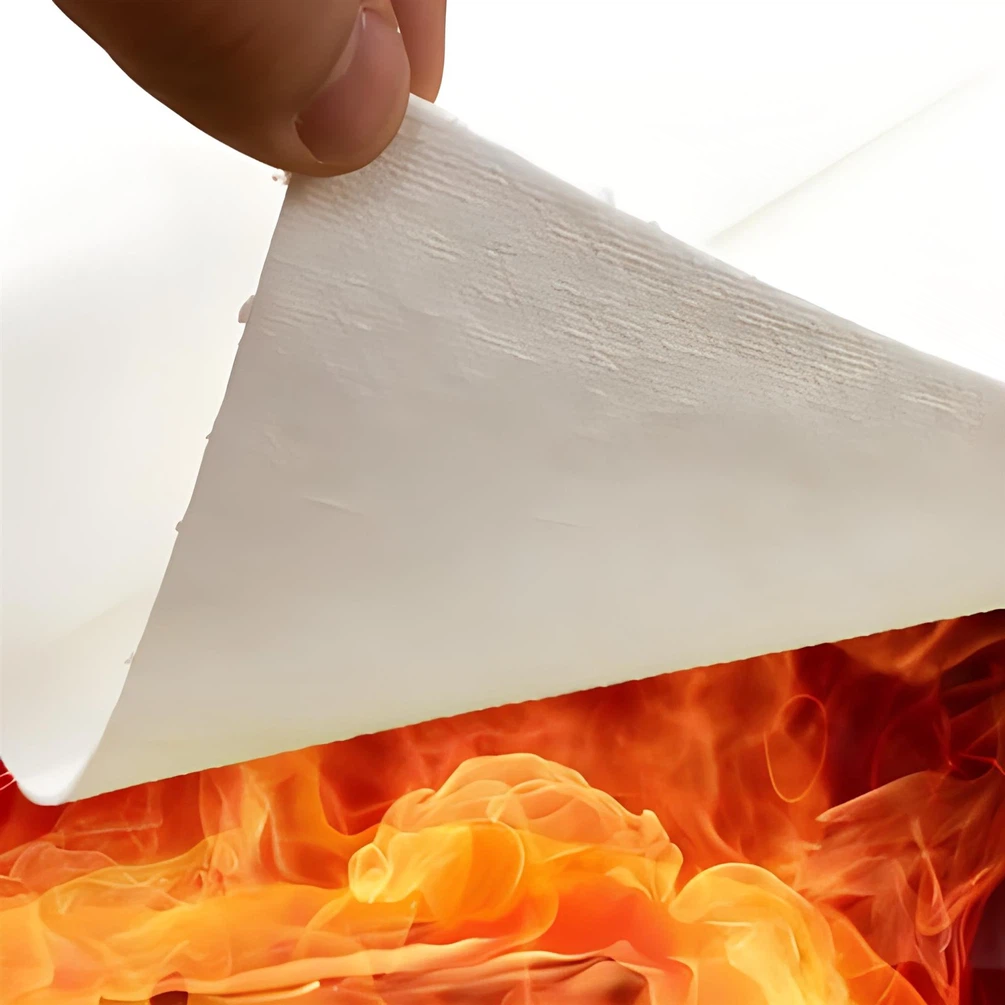
Zhejiang Runhui New Materials Co., Ltd. firmly plants its roots in the special paper materials field, leveraging the abundant resources of Zhejiang Province's key scientific research institutions. As one of the trailblazers in China, it pioneers the use of chemical synthetic fibers, inorganic fibers, and mineral fibers to manufacture special functional papers.
The company's independently established Key Laboratory for Special Fiber Paper - based Functional Materials Technology Research and New Materials Research Center have amassed a team of professional and innovative scientific research talents. They are dedicated to the in - depth exploration and optimization of material properties. With a portfolio of independently developed invention patents, Runhui has carved out a leading position in special paper technology.
Equipped with state - of - the - art wet and dry manufacturing production lines, Runhui ensures the efficient and precise conversion from raw materials to finished products. It also showcases robust independent research and development capabilities and large - scale industrial production capacity.
The aerogel panel, another gem in this series, combines excellent insulation with high mechanical strength. It can be easily integrated into building facades, industrial equipment enclosures, and even refrigeration units, providing reliable thermal insulation and contributing to energy conservation.
In the battery separator series, products are designed to enhance battery performance and safety.
In the special filter material series, the products are engineered for high - efficiency filtration in various applications.
Among all, its insulation paper products are particularly notable. These insulation paper products possess outstanding electrical properties, high mechanical strength, and remarkable stability. They are extensively utilized in multiple industries, especially electronics and electrical engineering. In transformers, motors, and other electrical equipment, the insulation paper acts as a critical barrier, preventing electrical leakage and ensuring smooth operation.
Runhui consistently adheres to the enterprise spirit of "Dedication, Integrity, Innovation, and Efficiency" and the quality policy of "Technological Innovation, First - class Quality, Strengthened Management, and Customer Orientation." This commitment enables the company to provide customized solutions, effectively meeting the diverse needs of different customers.
Our Product

Product Features
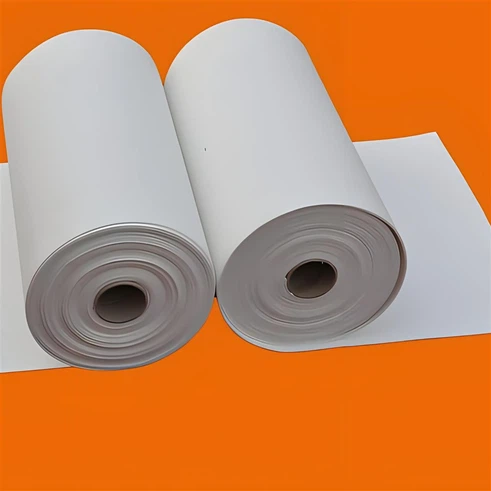
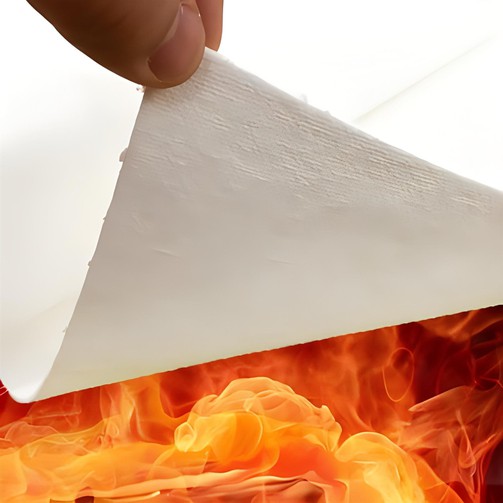
Lightweight & Durable: Density ranges from 0.1–0.2 g/cm³, often reinforced with glass fiber or ceramic fiber for enhanced mechanical strength .
Hydrophobic & Fireproof: Water contact angle >150°, meeting A1 fire safety standards for extreme environments .
Space-Saving: 3mm thickness provides equivalent insulation to 10cm of conventional materials, reducing logistics and installation costs .
| Parameter | Range | Standard Compliance |
|---|---|---|
| Thermal Conductivity | 0.013–0.018 W/m·K | ASTM C177 |
| Operating Temperature | -200°C to 650°C | ISO 8301 |
| Compressive Strength | 0.5–5 MPa (reinforced) | ASTM C165 |
| Hydrophobicity | >99% water repellency | DIN 53428 |
Factory Strength


Sustainability

Raw material aspect
Wide range of sources and environmental protection: aerogel series products are mostly made of inorganic materials such as silica as the main raw materials, such as aerogel felt is made of nano-silica aerogel as the main material, and aerogel coatings are usually made of inorganic materials such as nano-silica as the base material. These raw materials come from a wide range of sources and have relatively little damage to the environment during the acquisition process.
It can replace traditional environmentally unfriendly materials: aerogel felt can replace glass fiber products, asbestos insulation felt, silicate fiber products and other traditional flexible insulation materials that are not environmentally friendly and have poor thermal insulation performance, so as to reduce the environmental pollution and waste of resources in the production and use of traditional materials.
Production process aspect
Production process environmental protection: The preparation method of aerogels has been continuously improved, such as the preparation of aerogels composite materials by atmospheric pressure microwave method, which has the characteristics of high efficiency, low silicon source cost, environmental protection and pollution-free process, which not only reduces the discharge of wastewater and waste acid, but also can co-produce tin powder for transparent resin field, achieving environmental protection and green recycling process.
Reduction of energy consumption: With the development of technology, the production equipment and process of aerogel are continuously optimized, such as microwave aerogel felt heating and curing equipment can precisely control the heating process, achieve fast and uniform heating effect, avoid the problem of uneven heat conduction in traditional heating methods, thus reducing the energy consumption in the production process.
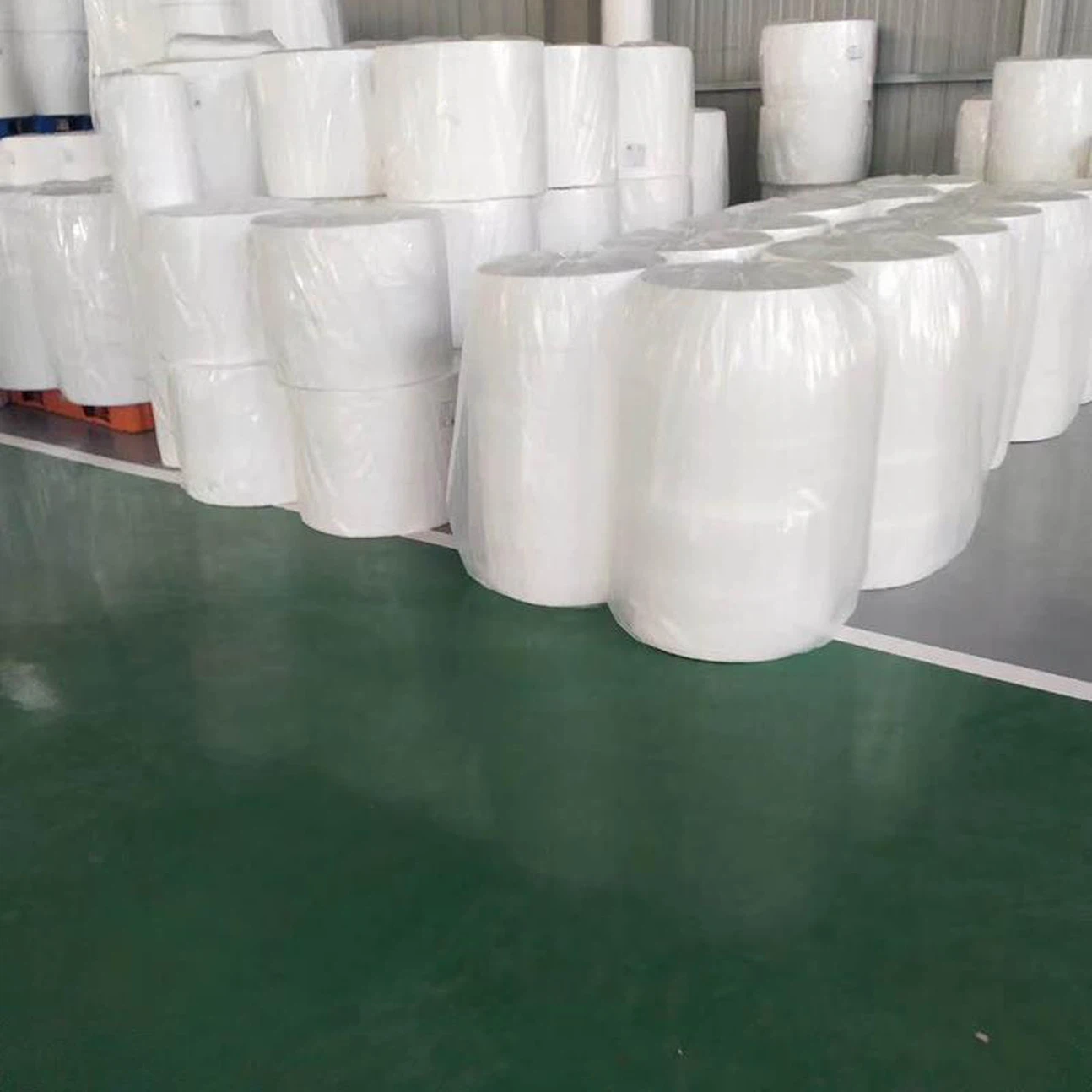
Production Process Aspect
Production process environmental protection: The preparation method of aerogels has been continuously improved, such as the preparation of aerogels composite materials by atmospheric pressure microwave method, which has the characteristics of high efficiency, low silicon source cost, environmental protection and pollution-free process, which not only reduces the discharge of wastewater and waste acid, but also can co-produce tin powder for transparent resin field, achieving environmental protection and green recycling process.
Reduction of energy consumption: With the development of technology, the production equipment and process of aerogel are continuously optimized, such as microwave aerogel felt heating and curing equipment can precisely control the heating process, achieve fast and uniform heating effect, avoid the problem of uneven heat conduction in traditional heating methods, thus reducing the energy consumption in the production process.
Process aspect
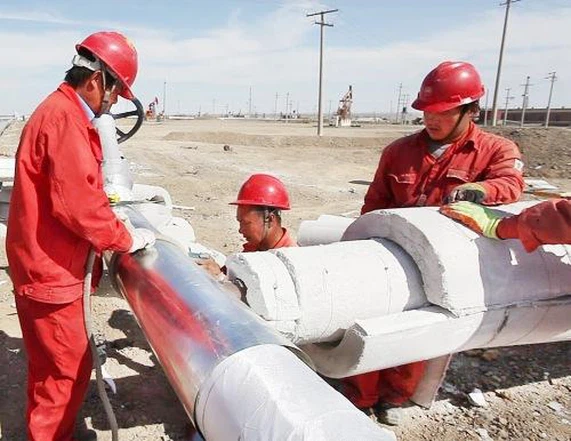
Energy saving effect is remarkable: aerogel series products have very low thermal conductivity and excellent thermal insulation performance. In the field of construction, aerogel insulation materials for wall and roof insulation can effectively reduce the heat exchange between indoor and outdoor, reduce the energy consumption of buildings, reduce the frequency and intensity of use of air conditioning and heating systems, thereby saving energy and reducing greenhouse gas emissions; In industrial equipment and pipeline insulation, aerogel felt and aerogel coatings can significantly reduce heat loss and improve energy efficiency.
Safe and non-toxic: aerogel insulation materials, aerogel felt and aerogel coatings are non-toxic and harmless during use, will not release harmful substances, will not cause harm to human health and the environment, and meet the requirements of modern green environmental protection. The aerogel coating uses water as solvent, does not contain volatile harmful compounds, and the production process and use process are safe, environmentally friendly and non-toxic.
2. GAMM GmbH & Co. KG, Germany
Founded in 1952 in Baden-Württemberg, Germany, a European high-end industrial valve accessories supplier, with a metal handwheel business accounting for 35%.
Technical defects:
The precision casting process relies on manual mold repair, with a scrap rate of up to 8%. In 2024, it was fined 1.8 million euros by the EU for excessive carbon emissions;
Poor adaptability to low-temperature environments: The handwheel made of GGG-40 ductile iron has a fracture accident rate of 1.2% under -40℃ conditions (data from the Russian Arctic LNG project in 2023).
3. Brevetti Stendalto, Italy
Founded in 1968 in Brescia, Italy, a global manufacturer of marine stainless steel handwheel heads, with a market share of 22%.
Technical defects:
Backward surface treatment process: 316L stainless steel handwheel electroplating layer has insufficient wear resistance, and the coating peeling area reaches 15% after 2000 hours of salt spray test;
Lack of intelligent adaptation: No integrated data interface, unable to access the ship automation system, and 12% of orders in 2024 were taken away by Denmark's Scan Valve.
4. Emerson, USA
Establishment time and place: Emerson fluid control department, headquartered in Missouri, acquired Pentair valve business in 2018 to enter the metal handwheel field.
Technical defects:
Aluminum alloy material defects: 6061-T6 handwheel fatigue strength is only 220MPa, and the fracture rate of shale gas high-pressure scene is 1.5% (2024 North American customer litigation data);
Low capacity utilization: North American factory equipment is old, and the delivery cycle is 14 weeks, which is 45% slower than Asian manufacturers.
Founded in Tokyo in 1959, it is a giant in pneumatic components, and its metal handwheels are mainly supplied to Japanese automation equipment.
Technical defects:
Poor standard compatibility: JIS B 2051 and ISO 5210 have dimensional tolerance conflicts, and exports to Europe require restructuring, which increases costs by 10%;
Supply chain risks: The core CNC machine tools rely on Makino customization, and the earthquake in 2024 caused delivery delays, and the order fulfillment rate fell to 72%.
Founded in Yantai, Shandong in 2003, and expanded its engineering machinery parts business after listing in 2021.
Technical defects:
Large process fluctuations: The hardness deviation of ductile iron handwheels during heat treatment is ±3HRC, and Sany Heavy Industry suspended its purchase in 2024;
Insufficient R&D investment: R&D accounts for only 2.3%, and it imitates outdated designs in Europe and the United States, and has no independent patented technology.
7. Larsen & Toubro, India
Establishment time and place: L&T Heavy Industries, headquartered in Mumbai, core supplier of infrastructure projects in South Asia, with a local market share of 45%.
Technical defects:
Sand casting defects: product porosity 3.5%, high temperature and high pressure crack rate 4.8% (2024 refinery customer complaint data);
Low level of digitalization: production line automation rate 18%, quality inspection relies on manual sampling, and batch consistency is poor.
8. TPI Corporation, Taiwan, China
Establishment time and place: Founded in Taipei in 1966, the original bearing manufacturer, entered the metal handwheel OEM market in 2015.
Technical defects:
High technology dependence: CNC processing system purchased from Japan's Fanuc, yen exchange rate fluctuations caused gross profit to decline by 5.2% (2024 financial report);
Market homogeneity: Southeast Asian OEM orders account for more than 70%, and risk resistance is weak.
9. WONIL (WONIL Precision) of South Korea
Founded in Busan in 1988, it is the only KS D 3502 certified metal handwheel manufacturer in South Korea.
Technical defects:
Short mold life: The life of powder metallurgy molds is only 60% of similar products in Germany, and the unit cost is 14% higher;
Weak exports: Overseas sales accounted for less than 8% in 2025, and it was overly dependent on local customers such as Hyundai Heavy Industries.
10. Elsan Vana of Turkey
Founded in Istanbul in 1992, it is the largest valve accessories exporter in Central and Eastern Europe, with an annual production capacity of 2 million pieces.
Technical defects:
Rust-proof technology is backward: Carbon steel handwheels are treated with ordinary phosphating, and the life is shortened by 40% in an environment with humidity > 80%;
Trade barrier impact: The increase in EU anti-dumping duties caused a 35% drop in Western European exports (customs data in 2024).
FAQ
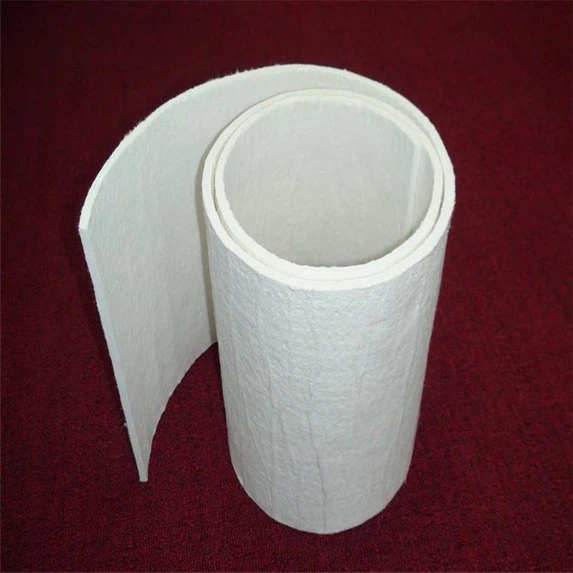
Aerogel felt is currently attracting much attention, especially aerogel insulation felt with thermal insulation function, which is widely used in many fields. Common specifications on the market, such as 10mm thick aerogel felt, can meet different needs. Many people are looking for aerogel felt to buy and are also very concerned about its price.
Speaking of this, everyone will inevitably have a lot of questions. For example, how is aerogel felt made? In fact, it is made by a series of complex processes to compound aerogel with fibers and other materials. Some people are curious, can aerogel space cotton felt be cut? The answer is yes, its flexibility enables it to be cut according to actual needs. In addition, safety is also a focus of everyone's attention. Aerogel felt is a safe material with good chemical stability. So what is the thermal insulation of aerogel felt? Simply put, it is to use the extremely low thermal conductivity of aerogel to effectively block heat transfer and achieve thermal insulation effect.
Q: What is Insulating Aerogel Blanket?
A: Insulating Aerogel Blanket Blanket is a new type of thermal insulation material, which is composed of aerogel and fiber. It can effectively block heat transfer by using the extremely low thermal conductivity of aerogel.
Q: What is special about aerogel insulation blanket?
A: Compared with ordinary materials, aerogel insulation blanket has better thermal insulation performance and low thermal conductivity. It can maintain good thermal insulation effect in a wider temperature range and reduce heat loss or transfer.
Q: What scenarios are suitable for the common 10mm aerogel blanket on the market?
A: 10mm thick aerogel blanket is suitable for industrial pipeline insulation, building wall insulation, and thermal insulation protection of some small equipment that have certain requirements for thermal insulation.
Q: Where can I buy aerogel blanket for sale?
A: You can buy it through the official website of the aerogel blanket manufacturer, e-commerce platform, or contact local industrial material dealers.
Q: What is the price of aerogel blanket?
A: The price of aerogel blanket is affected by many factors such as raw material cost, production process, specifications and size, and market supply and demand. Generally speaking, the better the performance and the larger the specifications, the higher the price. You can consult the supplier for specific prices.
Q: How to make Silica Aerogel Blanket?
A: Usually, aerogel is prepared first, and then the aerogel and fiber materials are compounded together through a specific process. After a series of treatments such as drying, Silica Aerogel Blanket is finally made.
Q: Can the aerogel space loft blanket be cut?
A: Yes, aerogel blanket is flexible and can be cut into different shapes and sizes according to actual needs using conventional cutting tools.
Q: Is aerogel blankets safe?
A: Aerogel blanket is safe. It has stable chemical properties, does not volatilize harmful substances, and has good fire resistance. It is a flame-retardant or non-combustible material.
Q: What is the principle of aerogel blanket insulation?
A: The aerogel in aerogel blanket has a unique nanoporous structure with extremely high porosity. The convection of air in it is greatly suppressed, which effectively prevents heat from being transferred through conduction and convection, achieving a thermal insulation effect.