

Aerogel, a revolutionary nanomaterial with unique structural characteristics, has been increasingly attracting attention in the field of clothing applications. Its extremely low density, high porosity, and excellent thermal insulation properties make it a promising candidate for enhancing the performance of clothing materials. Among the various forms of aerogel - based composites used in clothing, namely aerogel fiber composites, aerogel foam composites, and aerogel - coated fabrics, each presents distinct performance features. This research aims to conduct a comprehensive performance comparison of these three types of aerogel composite materials in the context of clothing applications, providing insights for the rational selection and further development of aerogel - based clothing materials.
Content
4. Comparative Analysis Of The Three Types Of Composites
1. Aerogel Fiber Composites
Structural and Preparation Features
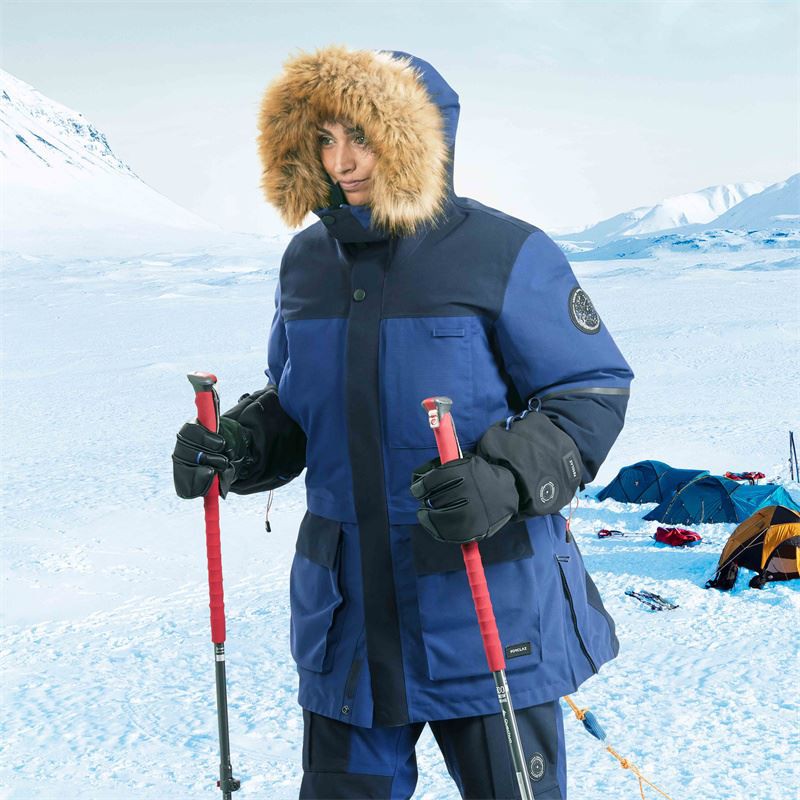
Aerogel fiber composites integrate the advantages of aerogel and fibers. The fibers can be natural or synthetic, such as cotton, polyester, or nylon. The preparation process usually involves incorporating aerogel particles into the fiber matrix or coating fibers with an aerogel layer. For example, some methods disperse nanoscale aerogel particles evenly in the spinning solution of fibers, and then spin the solution into composite fibers. This not only retains the inherent mechanical properties of fibers to a certain extent but also endows the fibers with the excellent thermal insulation performance of aerogel.
Performance in Clothing
In terms of thermal insulation, aerogel fiber composites exhibit remarkable performance. The high porosity of aerogel within the fibers traps a large amount of still air, which is a poor conductor of heat. This enables clothing made of such composites to effectively block the transfer of heat between the human body and the external environment. In cold environments, it can keep the human body warm for a long time, and in hot environments, it can also play a role in heat insulation to a certain extent.
Regarding mechanical properties, compared with pure aerogel materials (which are relatively brittle), aerogel fiber composites have better flexibility and tensile strength due to the support of fibers. This makes them suitable for the production of various clothing items, such as winter jackets, sweaters, etc. However, the addition of aerogel may also have a certain impact on the breathability of fibers. If the aerogel content is too high or the distribution is not uniform, it may cause blockage of the fiber pores, thereby reducing the breathability of the clothing.
2. Aerogel Foam Composites
Structural and Preparation Features
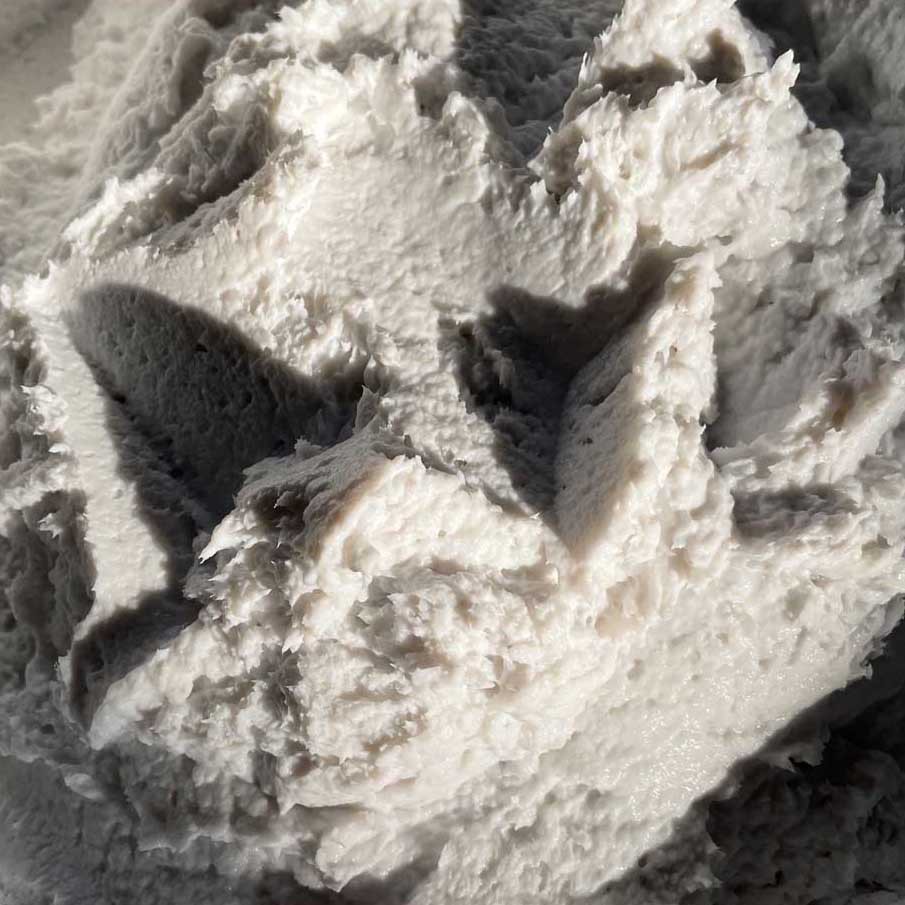
Aerogel foam composites are formed by combining aerogel with foam materials (such as polyurethane foam). The preparation process often includes impregnating the foam matrix with an aerogel precursor solution, followed by a series of processes such as gelation, drying, and aging to form a composite material with a porous structure. The foam provides a three - dimensional support framework, and the aerogel fills the pores of the foam or coats the surface of the foam skeleton, forming a multi - level porous structure.
Performance in Clothing
The thermal insulation performance of aerogel foam composites is also very outstanding. The combination of the porous structure of foam and the ultra - low thermal conductivity of aerogel creates an excellent heat - insulating barrier. In addition, the foam itself has a certain degree of elasticity, so the composite material has good cushioning properties. When used in clothing, it can not only provide thermal insulation but also play a role in shock absorption and buffering, which is very suitable for applications in protective clothing and sports clothing.
However, aerogel foam composites also have some limitations. The density of the foam itself is relatively low, and after combining with aerogel, although the thermal insulation performance is improved, the overall weight of the material may increase to a certain extent compared with pure foam. Moreover, the mechanical strength of the foam - based composite material is relatively dependent on the foam matrix. If the foam is damaged, the performance of the composite material will be significantly affected. In terms of clothing production, the processing technology of aerogel foam composites is relatively complex, which may lead to higher production costs.
3. Aerogel - Coated Fabrics

Structural and Preparation Features
Aerogel - coated fabrics are prepared by coating an aerogel layer on the surface of ordinary fabrics. The coating process can be achieved through methods such as spraying, dipping, and rolling. The key is to ensure that the aerogel can be evenly distributed on the fabric surface and form a continuous and stable coating layer. The thickness and density of the coating layer can be adjusted according to different application requirements.
Performance in Clothing
For aerogel - coated fabrics, the most significant advantage is the targeted improvement of the fabric's performance. By coating the aerogel on the surface, the fabric can quickly obtain excellent thermal insulation performance without significantly changing the original properties of the fabric (such as breathability, flexibility). For example, for a thin summer fabric, coating a thin layer of aerogel can enhance its heat - blocking ability under the scorching sun without making the fabric feel stuffy.
In addition, aerogel - coated fabrics also have potential in terms of water - repellency and stain - resistance. The special surface properties of aerogel may endow the fabric with certain water - repellent and self - cleaning functions, which can expand the application scope of the fabric in outdoor clothing and functional clothing. However, the adhesion between the aerogel coating layer and the fabric is a key issue. If the adhesion is not good, the coating layer is prone to peeling off during wearing and washing, which will affect the performance and service life of the clothing.
4. Comparative Analysis of the Three Types of Composites
Thermal Insulation Performance
All three types of aerogel composite materials have excellent thermal insulation performance, but there are differences in the degree and mechanism. Aerogel fiber composites mainly rely on the porous structure of aerogel within the fibers to trap air for heat insulation; aerogel foam composites use the combined effect of foam pores and aerogel to achieve heat insulation; aerogel - coated fabrics mainly rely on the surface coating layer to block heat transfer. In general, under the same thickness condition, aerogel foam composites may have slightly better thermal insulation performance due to their more complex multi - level porous structure, but the difference is not significant, and it also depends on specific material preparation and component ratios.
Mechanical Properties
Aerogel fiber composites have better flexibility and tensile strength due to the support of fibers; aerogel foam composites have certain elasticity and cushioning properties, but the mechanical strength is relatively limited by the foam matrix; aerogel - coated fabrics have little impact on the original mechanical properties of the fabric, but the coating layer may reduce the flexibility to a certain extent. In terms of clothing application, for clothing that requires frequent bending and stretching (such as sportswear), aerogel fiber composites may be more suitable; for clothing that requires cushioning protection (such as protective clothing), aerogel foam composites have their advantages; and for clothing that requires maintaining the original fabric feel (such as some high - end fashion clothing), aerogel - coated fabrics may be a better choice.
Processing and Cost
The processing of aerogel fiber composites is relatively complex, involving the preparation of composite fibers, and the cost is relatively high; the preparation process of aerogel foam composites is also relatively cumbersome, and the cost is also not low due to the use of foam matrix and aerogel combination; aerogel - coated fabrics have relatively simple processing technology, and the cost is relatively low, which is more conducive to large - scale production and application in ordinary clothing.
5. Conclusion
In summary, aerogel fiber composites, aerogel foam composites, and aerogel - coated fabrics each have their own characteristics in clothing applications. Aerogel fiber composites have good comprehensive mechanical properties and thermal insulation performance, suitable for the production of various clothing with high performance requirements; aerogel foam composites are outstanding in thermal insulation and cushioning, and have potential in protective clothing and sports clothing; aerogel - coated fabrics are flexible in processing and low in cost, and can be used to improve the performance of ordinary fabrics. In future research and application, it is necessary to comprehensively consider factors such as performance requirements, production costs, and processing difficulties, and rationally select and optimize aerogel composite materials to promote the better development of aerogel - based clothing materials.