

Aerogel fabrics are increasingly becoming a focus in industries where lightweight, high-performance thermal insulation is critical. From outdoor gear and protective clothing to aerospace and industrial applications, these materials offer a unique combination of properties that traditional fabrics struggle to match. But what exactly makes aerogel fabrics lighter yet warmer? This article explores the science, technology, and applications behind this advanced material.
Understanding Aerogel
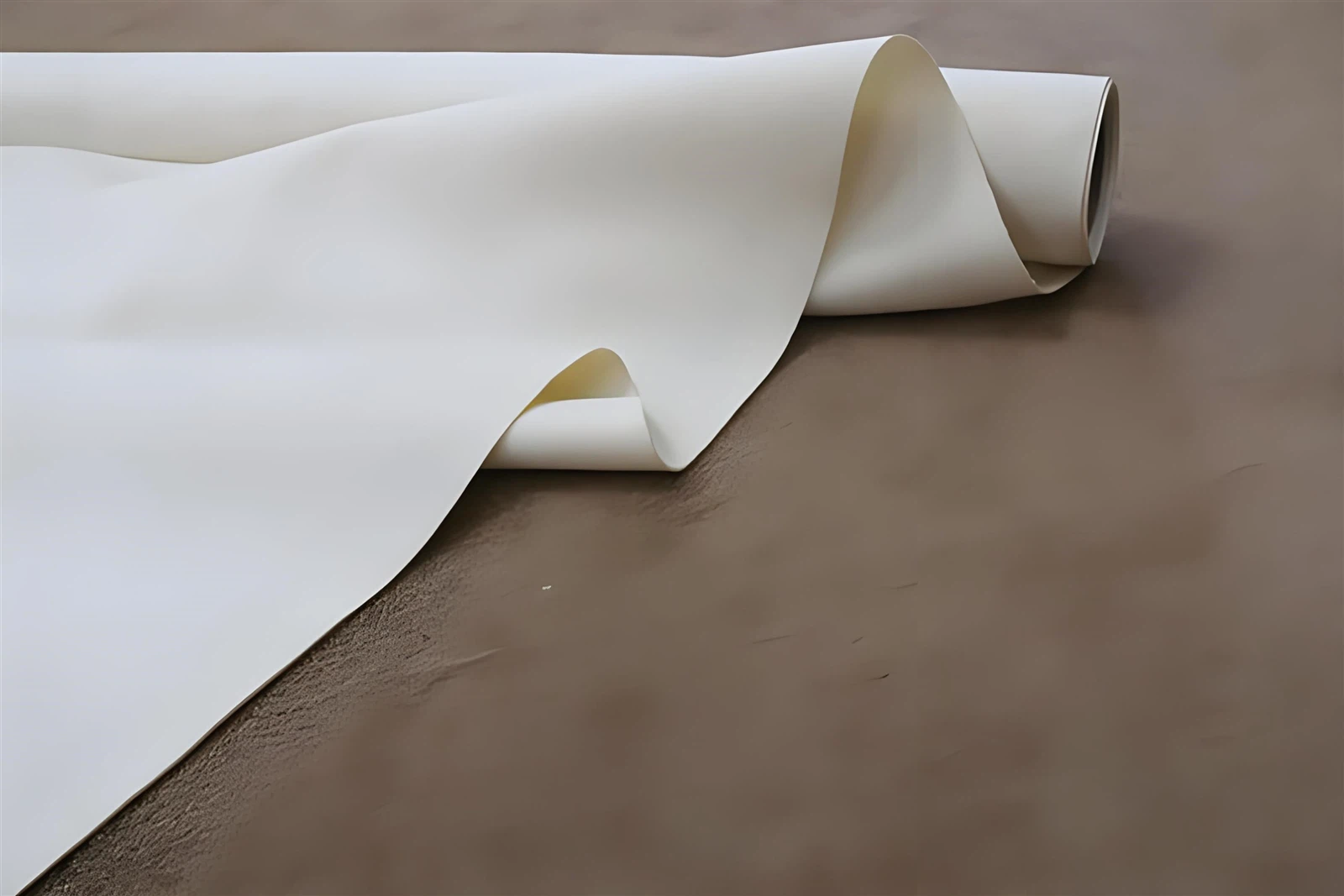
Aerogel is a highly porous, lightweight material derived from a gel, in which the liquid component is replaced with gas, leaving a solid network with an extremely low density. Often called "frozen smoke" or "solid air," aerogel can have a density as low as 0.003 g/cm³, making it one of the lightest solid materials known.
This low density is key to why aerogel fabrics are lighter. By integrating aerogel particles or sheets into textile fibers, manufacturers can create fabrics that provide insulation comparable to thick, heavy materials, without adding bulk or weight.
The Science of Thermal Insulation
Nanoporous Structure: Aerogel's tiny pores, often less than 100 nanometers, trap air and limit convection. Air is a poor conductor of heat, so immobilizing it reduces heat loss.
Low Thermal Conductivity: The solid matrix of aerogel itself conducts heat poorly. Combined with trapped air, this makes the overall thermal conductivity extremely low, often around 0.012–0.018 W/m·K, far lower than cotton, wool, or synthetic fibers.
Radiative Heat Barrier: Aerogels can scatter and absorb infrared radiation, further reducing heat loss. This helps keep warmth close to the body, even in very cold conditions.
By incorporating these aerogel particles into flexible fabrics, manufacturers create a material that retains body heat without needing thick layers.
Traditional insulation, like down or synthetic batting, relies on thickness to trap air and retain heat. Thicker layers naturally add weight and bulk, which can be restrictive, especially in technical outdoor or aerospace applications. Aerogel fabrics, by contrast, achieve similar or even superior insulation in thinner, lighter layers.
Thin Profile: A single aerogel-infused layer can replace multiple layers of conventional insulation, keeping garments or panels slim and flexible.
Weight Reduction: For outdoor apparel, a jacket with aerogel fabric can be up to 50% lighter than one insulated with traditional synthetic materials, without compromising warmth.
Enhanced Mobility: This lightness allows for greater comfort and mobility, a key requirement in hiking, climbing, or military gear.
The combination of low density and high insulation performance makes aerogel fabrics uniquely suited for applications where both warmth and weight are critical.
Early aerogels were brittle and fragile, limiting their use. Recent advances in aerogel-fiber composites and aerogel blankets have overcome these limitations:
Fiber Integration: Aerogel particles are embedded within textile fibers or sandwiched between fabric layers, maintaining flexibility while preserving thermal performance.
Mechanical Strength: Modern aerogel fabrics can withstand bending, folding, and even stretching without losing insulating properties.
Water Resistance: Some aerogel textiles are coated or laminated to resist moisture, which can degrade insulation in conventional materials.
These improvements mean aerogel fabrics are not only lightweight and warm but also practical for real-world applications.
The unique combination of lightness and warmth has led to wide adoption of aerogel fabrics:
Outdoor and Sports Apparel: Jackets, gloves, and hats benefit from slim profiles and extreme warmth, ideal for mountaineering or skiing.
Aerospace and Aviation: Aircraft and spacecraft require lightweight thermal barriers to protect equipment and crew without adding unnecessary weight.
Industrial Insulation: Pipelines, machinery, and high-temperature equipment can be insulated with aerogel blankets that save space while maintaining thermal efficiency.
Protective Gear: Firefighters and emergency responders use aerogel-enhanced suits that combine heat resistance with reduced fatigue from heavy clothing.
The ability to maintain warmth with less material opens possibilities that were previously unattainable with traditional textiles.
Aerogel fabrics are not only performance-driven but increasingly aligned with sustainability goals:
Reduced Material Use: Because a thin layer of aerogel can replace bulky insulation, less raw material is required.
Durability Reduces Waste: Long-lasting aerogel fabrics mean garments and insulation panels need replacement less frequently.
Energy Efficiency: Improved insulation in industrial and building applications reduces energy consumption, contributing to lower carbon emissions.
As environmental awareness grows, aerogel textiles present an attractive combination of high performance and sustainability.
Despite their advantages, aerogel fabrics face some challenges:
Cost: Production and integration of aerogel remain more expensive than traditional fibers.
Manufacturing Complexity: Embedding aerogel in textiles without compromising flexibility requires advanced techniques.
Market Adoption: Industries need to balance cost, performance, and production scale for wider adoption.
However, ongoing research continues to improve aerogel processing and reduce costs, suggesting that aerogel fabrics will become more accessible across industries in the coming years.
When it comes to real-world applications, aerogel fabrics offer more than just warmth and lightness. Manufacturers are focusing on making these fabrics easier to handle, cut, and sew, so they can be integrated into garments or insulation panels without special equipment. Small adjustments, like combining aerogel with soft textiles or reinforcing edges, improve durability while keeping the material flexible. In industries such as outdoor apparel, aerospace, and industrial insulation, these practical tweaks make aerogel fabrics much more user-friendly for designers and engineers. By balancing performance with ease of use, aerogel textiles are gradually moving from niche, high-tech products to materials that can be reliably used in everyday industrial applications.
Aerogel fabrics are revolutionary in combining lightness with exceptional thermal insulation. Their nanoscale structure, low density, and innovative fiber integration allow them to outperform traditional materials in warmth-to-weight ratio. From outdoor apparel to aerospace, industrial insulation to protective gear, aerogel fabrics are enabling solutions that were previously impossible with conventional textiles.
As technology advances, aerogel fabrics will likely become a standard in high-performance insulation, demonstrating how cutting-edge materials can transform industries by offering superior comfort, efficiency, and sustainability.