

When it comes to selecting the right thermal insulation material for your projects, aerogel blankets have become increasingly popular due to their exceptional properties. Known for their lightness, high thermal resistance, and versatility, aerogel blankets are used in a wide range of applications, from industrial machinery to construction and even aerospace. In this article, we will guide you through the key factors to consider when choosing the right aerogel blanket as a thermal insulation material for your needs.

Understanding Aerogel Blankets
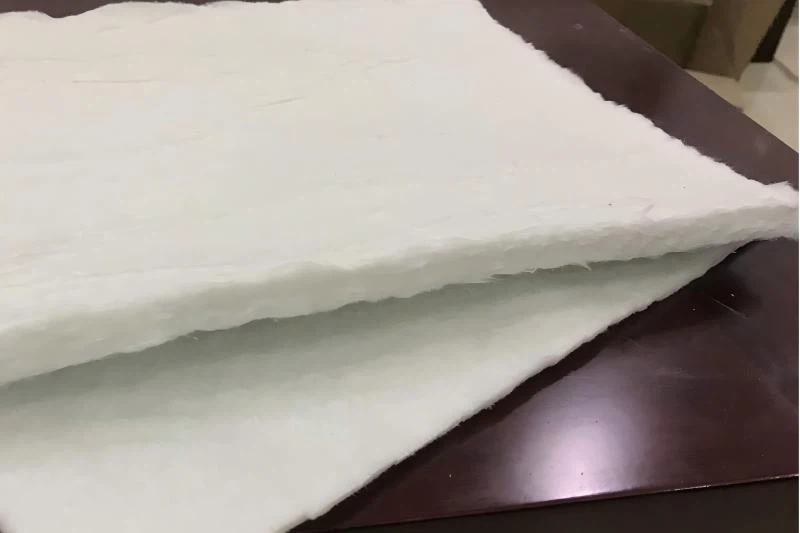
Aerogel is a highly porous material derived from silica, offering one of the lowest thermal conductivities of any solid material. Aerogel blankets are made by combining aerogel particles with a fibrous matrix, creating a flexible and lightweight material with excellent thermal insulating properties. These blankets provide a unique combination of high thermal resistance, low density, and superior performance under extreme conditions.
Aerogel blankets are ideal for applications where traditional insulation materials might fail to meet the requirements due to space constraints, temperature extremes, or the need for a lightweight solution.
Key Factors to Consider When Choosing Aerogel Blankets
Before purchasing aerogel blankets, there are several factors you need to assess to ensure that the product will meet your thermal insulation needs. Here are the key considerations:
Temperature Range
Aerogel blankets can handle a wide range of temperatures, from cryogenic conditions to extremely high temperatures exceeding 1000°C. When selecting the right aerogel blanket, it is crucial to understand the operating temperature range of your application.
Low-Temperature Applications: If your project involves temperatures below -100°C, make sure the aerogel blanket is rated for cryogenic insulation.
High-Temperature Applications: For environments with temperatures exceeding 300°C or even up to 1000°C, ensure the aerogel blanket is designed to withstand high heat without degrading or losing its insulating properties.
Thickness and Density
The thickness and density of aerogel blankets can significantly affect their thermal performance. A thicker blanket typically provides better insulation, but it may also increase the overall weight and cost. For applications with strict space requirements, a thinner aerogel blanket may be more appropriate.
Thicker Blankets: Offer superior insulation and are ideal for high-temperature applications, but they may be heavier and less flexible.
Thinner Blankets: Better suited for space-limited applications while still offering effective insulation, especially in moderate-temperature conditions.
Flexibility and Durability
Aerogel blankets vary in flexibility depending on their construction and intended use. For applications that require complex shapes or where ease of installation is a priority, it is important to choose a blanket that is both flexible and durable.
High Flexibility: Suitable for wrapping around pipes, irregular surfaces, or components with varying shapes.
High Durability: Ensures long-lasting performance in harsh environments, such as industrial machinery or heavy-duty equipment.
Thermal Conductivity
Thermal conductivity is the most crucial factor to consider when selecting a thermal insulation material. Aerogel blankets typically have a low thermal conductivity, making them ideal for applications where heat retention or prevention is required.
Low Thermal Conductivity: Aerogel's ability to resist heat transfer is unmatched by most other materials, which makes it highly effective at reducing energy loss and improving efficiency.
Environmental Impact and Sustainability
As industries continue to push for more sustainable solutions, the environmental impact of insulation materials has become a crucial consideration. Aerogel blankets are made from silica, a naturally abundant and non-toxic material, which makes them a safer, eco-friendly alternative compared to traditional insulation materials like fiberglass or foam.
When choosing an aerogel blanket, consider whether it is produced using sustainable methods and whether it can be recycled or disposed of responsibly at the end of its life cycle.
Applications of Aerogel Blankets
Aerogel blankets are incredibly versatile and can be used in a variety of applications across different industries:
Industrial Insulation: Used for insulating pipes, tanks, and valves in high-temperature environments.
Building Insulation: For reducing heat loss in walls, roofs, and floors without adding significant bulk.
Aerospace and Automotive: Employed in the construction of lightweight, high-performance thermal insulation systems.
Oil and Gas: Aerogel blankets are commonly used for offshore drilling rigs and in refineries due to their resistance to harsh conditions.
Cryogenic Applications: Used in applications involving liquid natural gas (LNG) and other cryogenic substances, as aerogels are highly effective in extreme low-temperature insulation.

How to Install Aerogel Blankets
Proper installation is key to ensuring the effectiveness of aerogel blankets. While aerogel blankets are easy to handle, they should still be installed correctly to avoid any gaps or improper sealing that could reduce their insulating performance.
Follow Manufacturer Guidelines: Always adhere to the manufacturer's installation instructions to ensure proper performance.
Use Protective Gear: Aerogel can be abrasive or irritating to the skin. Wear appropriate protective clothing and gloves when handling aerogel products.
Making the Right Choice
Choosing the right aerogel blanket involves understanding your insulation requirements, including temperature conditions, thickness, flexibility, and durability. By considering these factors, you can make an informed decision and select an aerogel blanket that provides the best performance for your specific application. Whether you are insulating industrial equipment, building materials, or aerospace components, aerogel blankets offer unmatched thermal insulation properties that can enhance performance and efficiency.