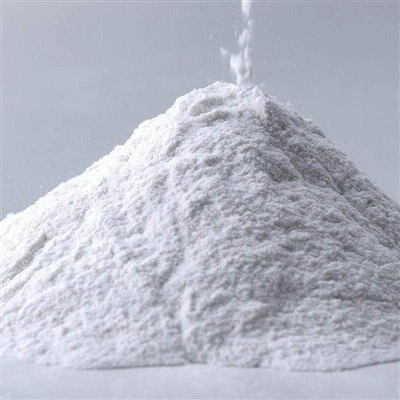
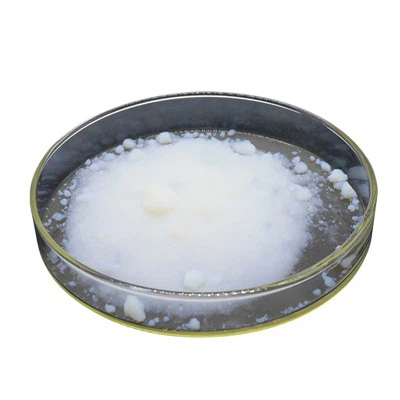
Key Advantages of custom Aerogel Powder
Ultra-Low Conductivity
The nanoporous structure of aerogel powder effectively suppresses solid heat transfer and gas convection. When incorporated into coatings or composite systems, aerogel powder significantly reduces thermal conductivity and improves insulation performance.
High Surface Area
Aerogel powder provides extremely high specific surface area, offering abundant interfacial contact for adsorption, catalytic reactions, and material bonding in composite systems.
Lightweight Filler
With very low bulk density, aerogel powder serves as an ideal lightweight functional filler. It enhances thermal performance while maintaining low material weight.
Easy Dispersion
Hydrophilic aerogel powder contains surface silanol groups that enable stable dispersion in water-based and inorganic systems, allowing efficient integration into various industrial formulations.
Custom Aerogel Insulation Powder Key Properties
| Property | Specification |
|---|---|
| Appearance | White powder |
| Main Component | SiO₂ ≥ 90% |
| Specific Surface Area (BET) | 400 – 800 m²/g |
| Porosity | 90 – 98 % |
| Average Pore Size | 10 – 50 nm |
| Bulk Density | 0.03 – 0.12 g/cm³ |
| Thermal Conductivity | 0.018 – 0.030 W/m·K |
| Particle Size | 5 – 50 μm |
| pH Value | 5 – 7 |
| Surface Property | Hydrophilic |
Custom Aerogel Powder Supply Options
● Industrial Grade Supply
Stable large-scale production for insulation coatings, thermal insulation materials, and composite fillers.
● Particle Size Customization
Different particle size distributions are available according to application requirements.
● Technical Application Support
Formulation guidance and application testing support are available.
● Packaging & Export
Standard packaging: 10 kg / 20 kg moisture-proof bags. Global export logistics are supported.
Aerogel Powder FAQ
1.What industries use aerogel powder?
Aerogel powder is widely used in thermal insulation coatings, building insulation materials, lightweight composites, adsorption materials, and catalyst supports.
2.What is the particle size of aerogel powder?
Standard particle size ranges from 5–50 μm, with customized particle sizes available for specific applications.
3.What is the difference between hydrophilic and hydrophobic aerogel powder?
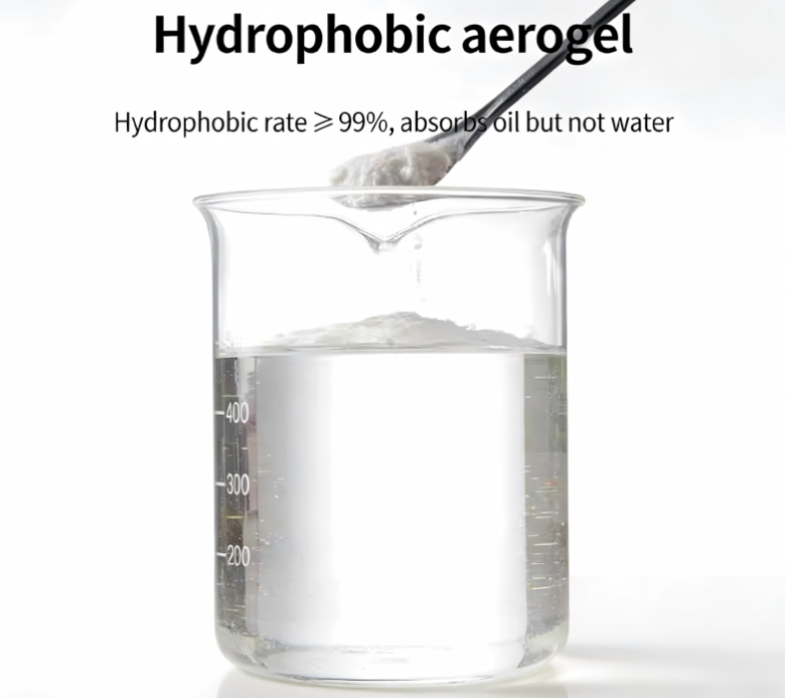
Hydrophilic aerogel powder contains surface silanol groups and disperses well in water-based systems. Hydrophobic aerogel powder is surface-modified for organic systems and moisture-resistant applications.
4.How is aerogel powder dispersed?
Aerogel powder can be dispersed using high-speed mixing, mechanical dispersion, or ultrasonic dispersion depending on the formulation process.
5.What is the typical addition ratio in coatings?
In insulation coatings, aerogel powder is typically added at 5%–20%, depending on the formulation design.
Hot Tags: aerogel powder supply options, China aerogel powder supply options manufacturers, suppliers, factory, aerogel powder, Aerogel Powder Price, Carbon Aerogel Powder, Silica Aerogel Powder, Silica Aerogel Powder Price