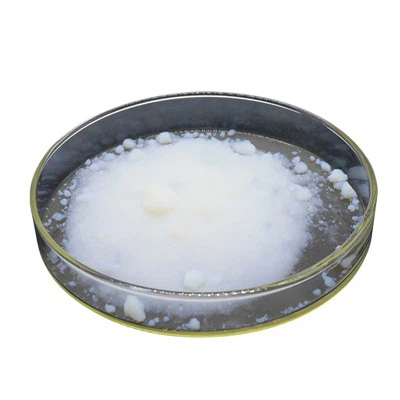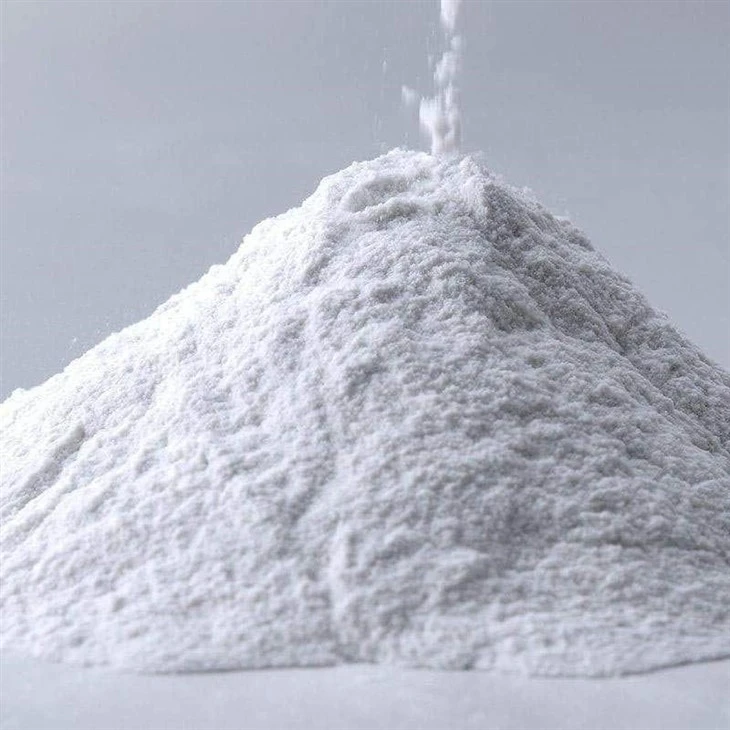
Ultra-low thermal conductivity: At 25°C, the thermal conductivity is as low as 0.013-0.020 W/(m・K), only one-third that of air and one-half to one-third that of traditional insulation materials (such as rock wool and XPS boards).
Ultra-light density: The bulk density is 40-150 kg/m³, only one-twentieth that of concrete, significantly reducing the overall weight of the building.
Hydrophobic properties: Through surface modification (such as organosilane treatment), the hydrophobicity rate can reach over 95%, effectively preventing water vapor penetration and the resulting degradation of insulation performance.
Mixing and Application Methods
Pre-dispersion: Pre-mix the aerogel powder with a binder (such as silica sol) to prevent dust and enhance dispersion. Then, mix thoroughly with cement or gypsum.
Layered Application: The recommended thickness for each application should not exceed 3mm. Apply the powder in 2-3 layers, leaving a 2-hour interval between each layer to ensure a secure bond.
Quality Assurance Measures
Thermal Conductivity Testing: The thermal conductivity of the finished product is tested using a heat flow meter (ISO 8301) to ensure it meets design requirements (typically ≤0.025 W/(m・K)).
Crack Resistance Optimization: Adding polypropylene fiber (0.1% content) can reduce drying shrinkage cracks and improve material toughness.

1. Combines multiple cooling functions into one, providing significant sun protection, heat insulation, and cooling effects.
2. The coating surface is water- and oil-resistant, stain-resistant, and washable, maintaining its heat-reflecting properties over time.
3. Excellent weather and UV resistance. After application, the coating resists cracking, peeling, and aging, and exhibits strong adhesion, ensuring a secure adherence to surfaces.
4. Easy application: spray, brush, or roller application is possible.
FAQ
Compared to traditional building insulation materials (such as rock wool and XPS boards), what are the significant advantages of silica aerogel powder?
① Lighter and thinner: A 10mm thick aerogel layer can achieve the insulation effect of a 50mm layer of rock wool, saving space; ② More stable: Operating temperature range -200°C to 650°C, high and low temperature resistance, and hydrophobic (hydrophobicity ≥ 95%); ③ More environmentally friendly: A1 fireproof, asbestos-free, VOC <50g/L, and RoHS compliant; ④ Lighter: With a bulk density of 40-150kg/m³, it's only 1/20th that of concrete, reducing building loads.
What are the key construction considerations when using silica aerogel powder in building construction?
① Pre-dispersion: Pre-mix with a binder such as silica sol to prevent dust and enhance dispersibility. ② Layered application: A single application thickness of no more than 3mm should be applied in 2-3 layers, with a 2-hour interval between each layer. ③ Crack resistance optimization: 0.1% polypropylene fiber can be added to reduce drying shrinkage cracks. ④ Quality testing: After application, thermal conductivity must be tested using a heat flow meter (ISO 8301) to ensure it is ≤0.025 W/(m・K).
Hot Tags: silica aerogel powder for building thermal insulation, China silica aerogel powder for building thermal insulation manufacturers, suppliers, factory, Silica Aerogel Powder, aerogel powder, Silica Aerogel Powder Price, Aerogel Powder Price, Carbon Aerogel Powder
| Project Name | |
| Maximum Service Temperature | 180℃ |
| Wet Density of Coating | 800 kg/m³ |
| Dry Density | 260 kg/m³ |
| Volume Shrinkage Rate | ≤5% |
| Thermal Conductivity (at 25℃) | 0.035 W/(m·K) |
| Fire Rating | Class A2 |
| Material Consumption per m² for 10mm Thickness | 9 kg |
| Single Barrel Packaging Weight | 16 kg |
| Unit | kg/m³, kg/m³, %, W/(m·K), kg, kg |