Benefits of Using Aerogel in Coatings
For many insulation coatings, balancing thermal performance and coating workability can be challenging. Conventional fillers may increase weight or reduce coating efficiency. Aerogel powder offers a different approach by enhancing insulation at a much lower loading density.
Enhanced Heat Barrier
The internal pore network reduces conductive heat transfer within the coating layer.
Reduced Coating Weight
Because aerogel is extremely light, coatings can achieve insulation properties without becoming heavy.
Moisture Resistance
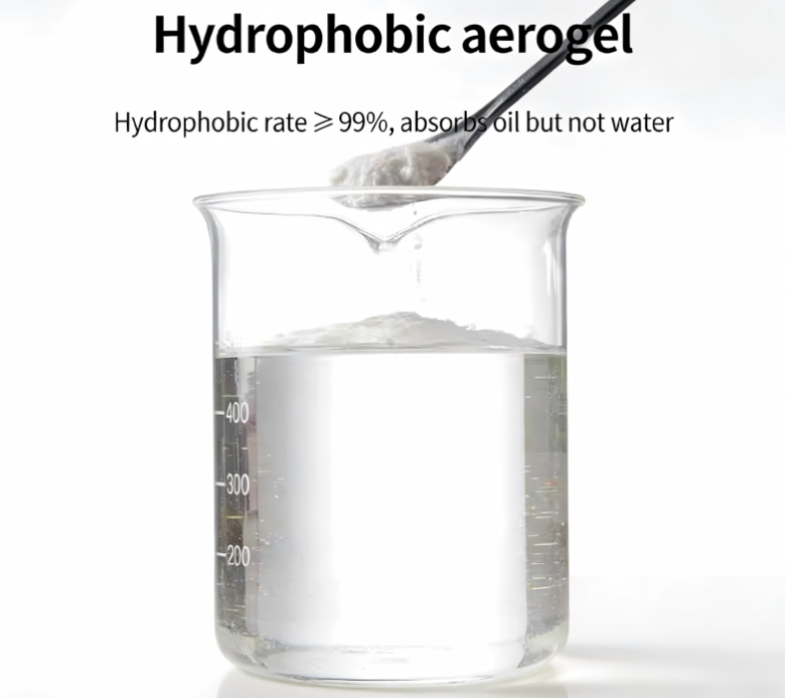
Hydrophobic modification prevents water absorption that could compromise thermal performance.
Formulation Flexibilit
The powder can be incorporated into a range of coating slurry formulations.
Improved Energy Performance
Insulation coatings containing aerogel powder help limit heat loss from buildings or industrial equipment.
Consistent Material Structure
Aerogel particles maintain their porous structure when embedded in coating matrices.
● Nano-Porous Framework
Aerogel contains a highly porous network that traps air and slows heat flow.
● Water-Repellent Surface
Surface treatment gives particles strong resistance to moisture penetration.
● Low Bulk Density
Aerogel powder contributes insulation properties without significantly increasing coating weight.
● Thermal Barrier Effect
When dispersed in coatings, the particles create a barrier that reduces heat movement.
● Formulation Compatibility
Suitable for integration into many insulation coating systems.
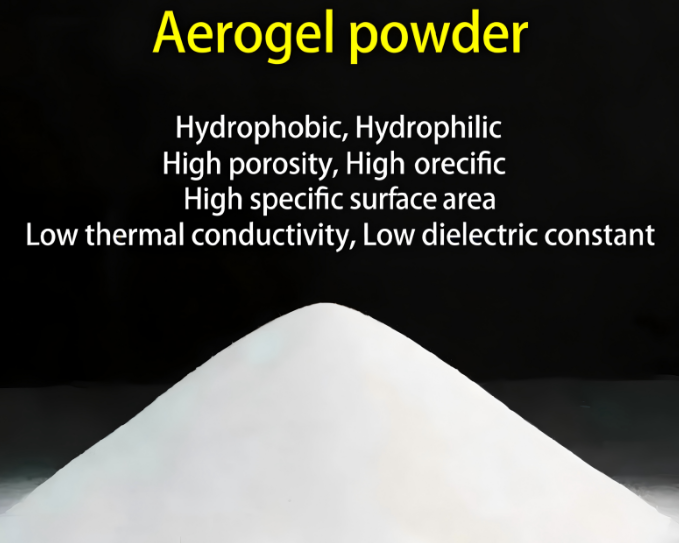
Typical Physical Properties Of Aerogel Powder
| Property | Typical Range |
|---|---|
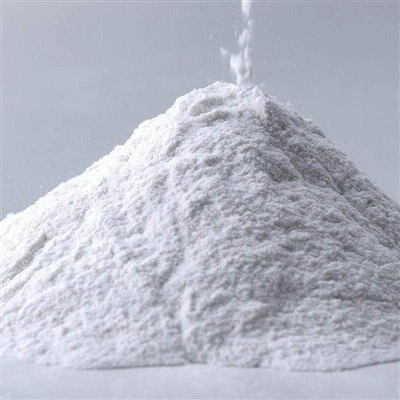
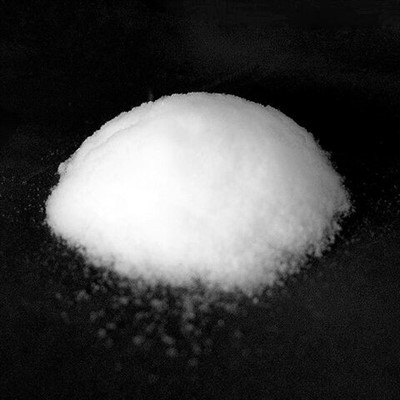
| Appearance | Fine White Powder |
| Base Material | Silica Aerogel |
| Particle Diameter | 10–50 μm |
| Bulk Density | 0.03 – 0.15 g/cm³ |
| Thermal Conductivity | 0.018 – 0.023 W/m·K |
| Water Contact Angle | ≥135° |
| Surface Area | 600 – 800 m²/g |
| Porosity | ≥90% |
Coating Systems Using Aerogel Powder
● Energy-Efficient Building Coatings
Used in insulation coatings applied to walls, roofs, and exterior building surfaces.
● Industrial Thermal Coatings
Helps reduce heat loss from pipes, tanks, and processing equipment.
● Protective Insulation Coatings
Provides thermal protection for surfaces exposed to temperature fluctuations.
● Functional Lightweight Coatings
Supports coating formulations where reduced density is important.
● Specialty Insulation Coatings
Used in advanced coating technologies requiring improved thermal resistance.
Information About Aerogel Powder in Coatings
1.What role does aerogel powder play in coating slurry?
Aerogel powder functions as a thermal insulation additive. When dispersed in coating slurry, it helps coatings resist heat transfer while maintaining a relatively lightweight structure.
2.Can aerogel powder affect coating application?
When properly dispersed, the powder can be integrated into coating formulations without negatively affecting typical application processes such as spraying or brushing.
3.Is aerogel powder suitable for exterior coatings?
Yes. The hydrophobic surface treatment helps protect the material from moisture, making it suitable for many outdoor insulation coating applications.
4.What type of coatings can include aerogel powder?
Aerogel powder can be incorporated into different coating systems depending on the formulation, including insulation coatings and energy-saving coatings.
5.How is aerogel powder dispersed in coating slurry?
It is typically introduced during the mixing stage using mechanical stirring or dispersion equipment to ensure uniform distribution within the coating matrix.
Hot Tags: aerogel powder for coating slurry, China aerogel powder for coating slurry manufacturers, suppliers, factory, Aerogel Powder Price, Silica Aerogel Powder, aerogel powder, Carbon Aerogel Powder, Silica Aerogel Powder Price